01 / Urology

Urology care for Rajapalayam and the wider Virudhunagar district.

Dhanya Speciality Hospital provides thoughtful, clinically guided urology care in Rajapalayam for urinary symptoms, kidney stones, prostate concerns and other conditions affecting the urinary tract and male reproductive health.

Our focus is simple: clear evaluation, accurate diagnosis and treatment planning that feels reassuring from the first consultation to follow-up care.

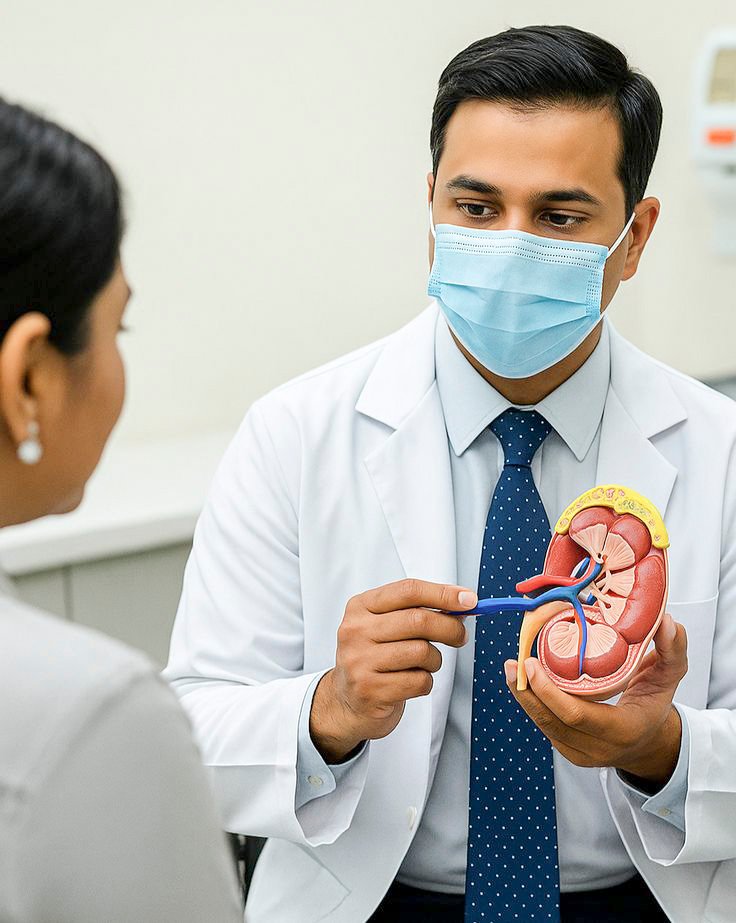
Urology consultation at Dhanya Speciality Hospital

Why choose us

Supportive, specialist urology care built around patient comfort and clarity.

  • Qualified urology specialists within the hospital’s documented clinical scope
  • Appropriate diagnostic equipment for accurate evaluation and planning
  • Coordinated care from consultation through to follow-up and review
  • Clear communication about symptoms, assessment and treatment choices
  • Support for patients travelling from neighbouring areas

Virudhunagar district

Local access for patients across the region.

Dhanya Speciality Hospital is located in Rajapalayam and welcomes patients from across Virudhunagar district and nearby areas for urological consultation and care.

Visit us

No.1, Sudarsan Garden, PAC Ramasamy Raja Salai, Ponngaram, Pudupalaiyam, Rajapalayam, Tamil Nadu – 626108

How we help

From symptoms to answers, treatment and follow-up.

01

When should you see a urologist?

You should consider urological consultation when urinary symptoms are persistent, recurrent or worsening. This includes blood in urine, pain while passing urine, frequent urination, difficulty emptying the bladder or unexplained pelvic or flank pain.

  • Persistent urinary symptoms
  • Blood in urine
  • Weak stream or difficulty urinating
  • Severe flank or pelvic pain
02

Common symptoms to evaluate

Symptoms of urological issues often affect daily comfort and quality of life. A clinician can help determine whether the cause is a simple infection, stone, bladder issue or a condition requiring more detailed assessment.

  • Pain or burning during urination
  • Nocturia
  • Testicular pain or swelling
  • Erectile or ejaculatory concerns
03

Diagnosis and evaluation

Evaluation is tailored to each patient and depends on their symptoms, medical history and clinical findings. A careful history, examination and targeted investigations guide the most appropriate next step.

  • Clinical history and examination
  • Urine analysis and labs
  • Ultrasound, X-ray or CT when needed
  • Cystoscopy when appropriate
04

Treatment options

Treatment is determined by the diagnosis and may range from observation to medication, minimally invasive procedures or surgery. Follow-up care is important to support recovery and long-term health.

  • Conservative management
  • Medication for symptom relief
  • Minimally invasive procedures
  • Surgical care when needed

Urological Conditions We Treat

01
Kidney Stones

Evaluation and treatment of kidney and urinary stones, including symptom assessment, diagnostic investigation and management options.

02
Prostate Care

Evaluation and treatment of enlarged prostate (BPH), lower urinary tract symptoms and prostate-related urinary concerns.

03
Urinary Problems

Care for frequent urination, difficult urination, urinary urgency, bladder symptoms and persistent urinary concerns.

04
UTI Care

Assessment and treatment for urinary tract infection symptoms, recurrent UTIs and related urinary discomfort.

05
Male Health

Confidential evaluation and treatment for male urinary, reproductive and prostate-related health concerns.

Urology treatment facilities

Advanced care pathways and clinical support.

Dhanya’s urology service includes the equipment and clinical pathways to support appropriate evaluation and treatment, with procedures chosen based on individual need and medical assessment.

Advanced machinery

Technology supporting precise evaluation and minimally invasive urology care.

  1. UROLASE SP (Thulium Fiber Laser – IPG Make)
  2. Flexible Scope
  3. Cystoscope
  4. Uroscope
  5. Litho Machine
  6. C-ARM
  7. Laparoscopy Equipment

Procedures performed

A range of endoscopic, laser and surgical procedures, based on clinical need.

  1. Cystoscopy URS with DJ stenting – Unilateral
  2. Cystoscopy URS with DJ stenting – Bilateral
  3. Cystoscopy (Therapeutic)
  4. URSL (Lithotripsy) + DJ stenting – Unilateral
  5. URSL (Lithotripsy) + DJ stenting – Bilateral
  6. RIRS (Retrograde Intrarenal Surgery) – Unilateral
  7. RIRS (Retrograde Intrarenal Surgery) – Bilateral
  8. TURBT (Transurethral Resection of Bladder Tumour)
  9. Prostate removal (TURP)
  10. BNI (Bladder Neck Incision)
  11. OIU (Optical Internal Urethrotomy)
  12. GUD (Gradual Urethral Dilatation)
  13. Circumcision
  14. Torn Ear Lobe Repair
  15. Cyst Excision
  16. Stent Removal
  17. PCNL – Unilateral
  18. PCNL – Bilateral
  19. PCNL + Stent
  20. URS + Thulium Laser Lithotripsy + Stent
  21. Flexible URS + Thulium Laser Lithotripsy + Stent
  22. DJ Stent
  23. RIRS
  24. Vesical Lithotripsy

Don’t ignore persistent urinary symptoms

Patients sometimes delay seeking care because urinary symptoms can feel embarrassing. Persistent changes in urination, recurrent urinary problems, significant pain or other concerning symptoms deserve appropriate medical evaluation.

Men’s health

Urology also includes concerns affecting male reproductive and sexual health. These can be sensitive topics, but they are legitimate medical concerns and can be discussed confidentially with an appropriate specialist.

Questions patients ask

Frequently Asked Urology Questions

When should I see a urologist?

Persistent, recurrent or concerning urinary symptoms — such as ongoing pain, blood in urine, changes in flow, or unexplained discomfort — are reasonable reasons to seek urological evaluation.

What does a urologist treat?

A urologist treats conditions of the urinary tract and male reproductive system, including kidney stones, urinary infections, prostate conditions, bladder disorders and male infertility.

What are the symptoms of kidney stones?

Kidney stones can cause severe flank pain that may radiate to the lower abdomen or groin, along with blood in urine, frequent urination and nausea.

When does a kidney stone require treatment?

Small stones may pass on their own. Larger stones or those causing obstruction, infection or persistent symptoms typically require medical evaluation and treatment.

What are the symptoms of an enlarged prostate?

Benign prostatic hyperplasia (BPH) can cause frequent urination, weak urine stream, difficulty starting urination, nocturia (frequent nighttime urination) and a sudden urge to urinate.

When should prostate problems be checked?

Men over 50, or those under 50 with risk factors or persistent urinary symptoms, should discuss prostate screening with a doctor.

What causes painful urination?

Painful urination, or dysuria, is commonly caused by urinary tract infections, but can also result from other conditions requiring medical evaluation.

When should blood in urine be evaluated?

Any instance of visible blood in urine warrants medical evaluation to determine the underlying cause.

What tests are used to diagnose urinary problems?

Diagnosis may involve urine analysis, imaging (such as ultrasound), and in some cases cystoscopy — the specific tests depend on the symptoms and clinical situation.

When should men see a urologist?

Men experiencing urinary symptoms, prostate concerns, infertility or any male reproductive health issue should seek urological consultation.

A concern that affects your daily life deserves proper evaluation.